


Invisalign Comparison
If you are considering clear aligners, you may also be looking at braces or wondering how dentist-supervised Invisalign differs from mail-order aligner programs. At our dental office, we provide Invisalign in Chula Vista and can explain how treatment differs in terms of examinations, follow-up visits, and adjustments throughout the process. This Invisalign comparison covers those differences in one place.
If you are searching for Invisalign near you, learning about the treatment process can be a useful starting point before scheduling a consultation. Understanding how clear aligners work, what treatment involves, and whether they may be suitable for your orthodontic needs can help you make an informed decision.
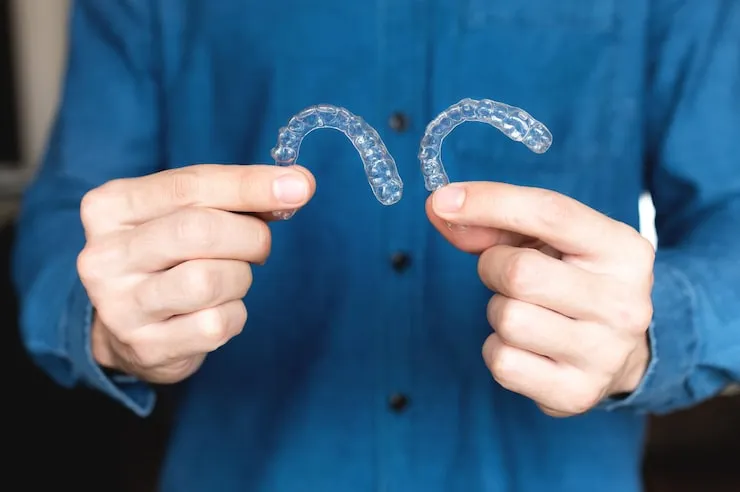
Invisalign vs. Braces
Traditional braces use brackets attached to the teeth and wires that gradually guide them into new positions. Since braces stay in place, you do not have to remember to wear them. They do, however, require more care when eating, brushing, and flossing.
Invisalign uses a series of removable clear aligners. You take the trays out for meals and oral hygiene, then wear them again for the recommended amount of time each day.
Here is a closer look at the differences:
Comparison | Invisalign | Traditional Braces |
Appearance | Clear trays are less noticeable | Metal brackets and wires are visible |
Removable | Yes | No |
Meals | Aligners are removed before eating | Certain hard or sticky foods may need to be avoided |
Brushing and flossing | Trays are removed for normal oral hygiene | Cleaning requires extra attention around brackets and wires |
Daily responsibility | Aligners must be worn as instructed | Braces remain fixed to the teeth |
Dental visits | Progress is checked during scheduled visits | Regular visits are needed for monitoring and adjustments |
Treatment changes | The dentist can assess fit and make changes when necessary | Wires and other components can be adjusted during treatment |
Neither option is suitable for every case. Your bite, tooth position, age, oral health, and ability to follow treatment instructions all need to be considered.
Invisalign vs. Mail-Order Clear Aligners
If you are considering clear aligners, it is important to understand how in-office Invisalign treatment differs from mail-order clear aligner options. Both approaches use removable trays to gradually move the teeth, but the treatment process, level of professional supervision, and access to in-person dental care can differ.
What to Consider | Dentist-Supervised Invisalign | Remote/Mail-Order Aligner Model |
Initial assessment | In-person dental examination | Process varies by provider |
Digital records | Scans, X-rays, photos, or other records may be taken as needed | Often relies heavily on scans, photos, or impressions |
Treatment supervision | Managed by your treating dental provider | May involve remote monitoring |
In-person progress checks | Available throughout treatment | Availability depends on the company |
Attachments | May be placed when required for planned tooth movements | Availability depends on the treatment system |
Problems with aligner fit | Dentist can examine the issue directly | Support process varies by provider |
Treatment refinements | Can be planned when clinically necessary | Policies vary |
Retainers | Used after treatment to help maintain results | Availability and fees vary |
If you are researching Invisalign near you, ask how often your progress will be checked and who will handle concerns if your teeth do not move as expected.
The Value of Seeing Our Dentist During Treatment
Moving teeth is a clinical process. Our provider needs to consider more than whether your teeth appear straight in a digital preview.
An in-person examination allows our dentist in Chula Vista to evaluate your teeth, gums, and bite before recommending treatment. Follow-up visits also give your provider a chance to check whether the aligners are fitting and whether your teeth are responding as planned.
Which Teeth-Straightening Option Is Right for You?
Braces, Invisalign, and other aligner systems do not work exactly the same way, and treatment needs vary from person to person.
An Invisalign Comparison can help you understand the differences between these options, but your teeth, gums, bite, and the type of movement needed will also affect which treatment may be suitable for you.
If you are looking for a dentist near you, schedule an examination to discuss your options instead of relying only on an advertisement or online treatment preview.
Learn More About Invisalign
If you have been searching for Invisalign near you, a consultation can help you find out whether clear aligners are suitable for your teeth and bite. You can also discuss treatment time, costs, payment options, and what to expect along the way. Visit us at 239 F St, Chula Vista, CA 91910, United States, or call (619) 427-0810 to learn more and schedule a consultation.
FAQs
How is Invisalign different from braces?
Invisalign uses clear trays that you can remove for eating, brushing, and flossing. Braces use brackets and wires that stay on your teeth during treatment.
Do I need regular visits during Invisalign treatment?
Yes. Regular visits allow our dentist to check how your teeth are moving and make sure your aligners are fitting properly.
What are Invisalign attachments?
Attachments are small, tooth-colored pieces placed on certain teeth. They help the aligners move your teeth as planned. Not everyone needs them.
Is Invisalign right for everyone?
No. Whether Invisalign is suitable for you depends on your teeth, bite, and oral health. Our dentist can examine your smile and discuss the options that may work for you.