


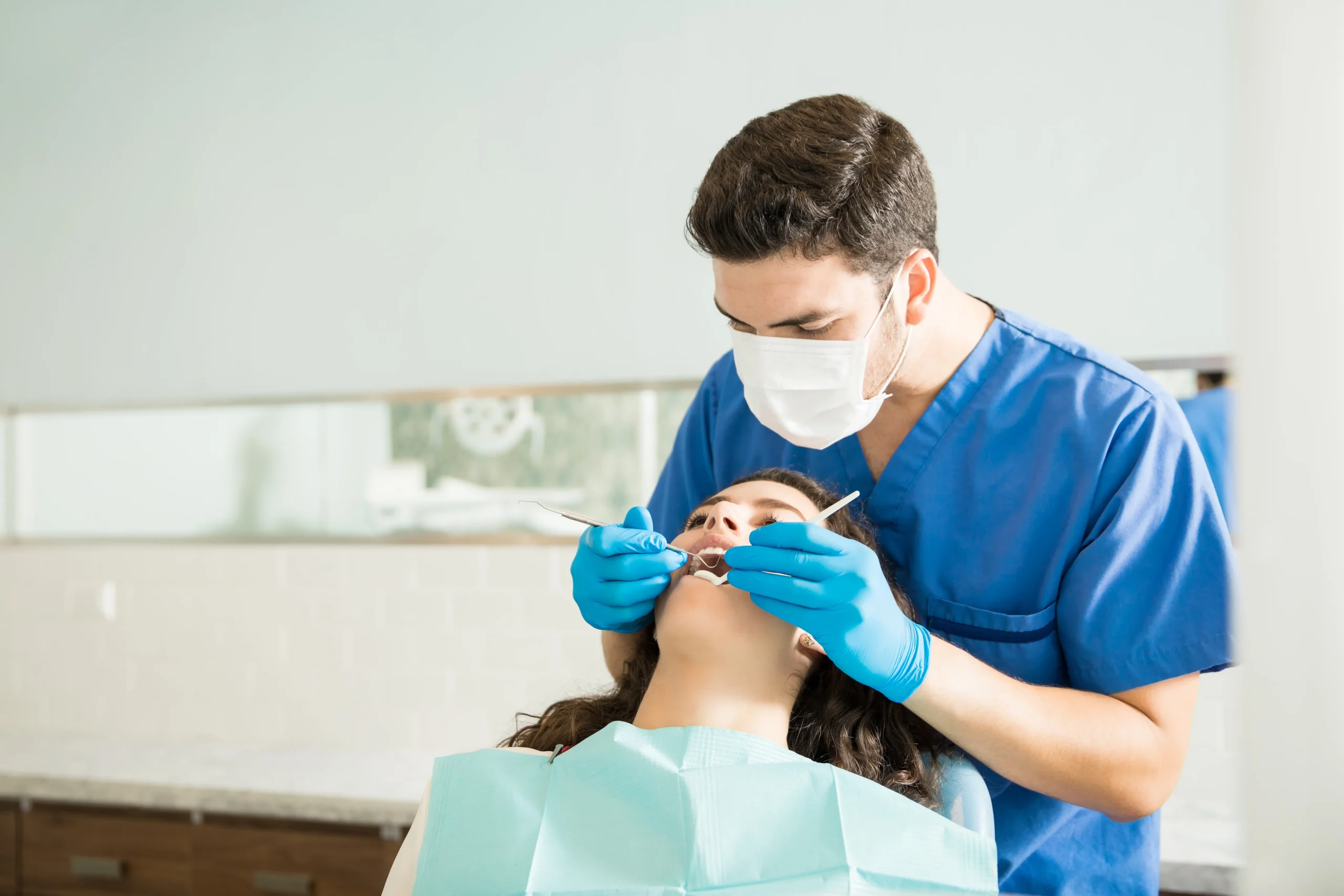
No tooth pain does not always mean that everything is healthy. Some dental problems can develop slowly and may not cause clear symptoms at first. Regular dental visits allow checking the teeth, gums, and other areas of the mouth for changes that may need attention. Dental Checkups in Chula Vista can include an examination, professional cleaning, and X-rays when needed, based on individual dental needs. These visits are not only for treating pain. They also support preventive care and help keep track of changes over time.
Understanding why routine checkups matter can make it easier to stay on schedule, even when the teeth feel fine.
Why Visit the Dentist Without Tooth Pain?
Pain is only one possible sign of a dental problem. Cavities, gum problems, worn teeth, and other concerns may not cause noticeable discomfort during their early stages.
A routine visit can help look for:
- Early signs of tooth decay
- Gum swelling or bleeding
- Damaged or worn teeth
- Changes around existing dental work
- Areas that may need closer monitoring
This is one reason regular dental care can be useful even when there is no pain.
What Are the Benefits of Regular Dental Checkups?
The Benefits of regular dental checkups include monitoring oral health and identifying concerns before they become more difficult to manage. Routine visits can also provide an opportunity to review daily brushing and cleaning habits.
Regular checkups may help:
- Find dental problems at an earlier stage.
- Monitor gum health
- Remove plaque and hardened buildup during cleanings.
- Check areas that are difficult to see at home.
- Maintain a consistent dental care routine.
The type and frequency of care can vary based on individual needs.
What Happens During a Routine Dental Checkup?
During a visit, a dentist in Chula Vista may examine the teeth and gums and ask about any changes or concerns. X-rays may be recommended when they can provide useful information about areas that cannot be seen during a visual examination.
A routine checkup may include:
- Examining the teeth for signs of decay or damage
- Checking the gums for signs of inflammation
- Reviewing existing dental work
- Taking X-rays when appropriate
- Discussing oral care or recommended treatment
The exact steps depend on the condition of the mouth and dental history.
How Often Should You Get a Dental Checkup?
How often you should get a dental checkup depends on factors such as oral health, dental history, age, and the risk of developing certain problems. There is no single schedule that works for everyone.
A dental professional may suggest more frequent visits when there is:
- A history of cavities
- Gum problems
- Higher risk of tooth decay
- Ongoing dental treatment
- Changes that need to be monitored
Following an individualized schedule can help maintain consistent routine care.
Can Dental Problems Be Found Before They Hurt?
Yes. Early detection during dental checkups can identify some dental concerns before they cause noticeable symptoms. A small cavity, for example, may not hurt at first. Gum problems can also develop with a few obvious symptoms.
Finding a concern early may allow for simpler management in some cases. However, a checkup cannot guarantee that every dental problem will be found before symptoms appear.
Why Are Regular Checkups Still Important After Good Home Care?
Brushing twice a day and cleaning between the teeth are important, but home care does not replace professional dental visits. Some areas of the mouth can be difficult to examine or clean properly at home.
A dental office near you can provide professional examinations and cleanings while monitoring changes you might not notice on your own.
Good daily habits include:
- Brushing twice a day with fluoride toothpaste
- Cleaning between the teeth every day
- Limiting frequent sugary foods and drinks
- Drinking water regularly
Following dental advice about areas that need extra care
When Should a Dental Visit Be Scheduled?
A dental appointment does not need to wait until pain appears. Changes such as bleeding gums, sensitivity, a chipped tooth, or a loose filling are reasons to arrange a dental assessment.
Routine care may also be useful when:
- It has been a long time since the last dental visit.
- A change in the mouth has been noticed.
- Existing dental work needs monitoring.
- A recommended follow-up is due.
Dental checkups near you can help keep preventive care from being overlooked, simply because there are no painful symptoms.
Don’t Wait for Pain to Schedule a Dental Visit!
A tooth can feel completely normal even as a dental concern quietly develops. Routine visits provide a chance to check for changes, monitor your oral health, and address concerns before they become more noticeable. Sam J. Halabo, DMD, offers dental care focused on regular monitoring and timely attention when something needs to be addressed. Book your appointment and make routine dental care part of your ongoing health routine, even when your teeth feel fine.
Looking for a dental office in Chula Vista? Get directions to Sam J. Halabo, DMD & Associates and book your appointment for a routine dental checkup.
FAQs
Do I need a dental checkup if I have no tooth pain?
Yes. No pain does not always mean your teeth and gums are healthy. Regular checkups can help your dentist detect problems before you notice symptoms.
How often should I have a dental checkup?
It depends on your dental needs. Your dentist can suggest how often you should visit based on your dental history and current oral health.
What happens during a routine dental checkup?
A routine visit may include an examination of the teeth and gums, a professional cleaning, and X-rays when needed. Any changes or concerns can also be discussed during the visit.
Can a dental checkup find problems before symptoms appear?
Yes. A dental checkup can sometimes find problems before you feel pain or notice other signs. However, some dental problems may not show clear signs during a regular visit.