


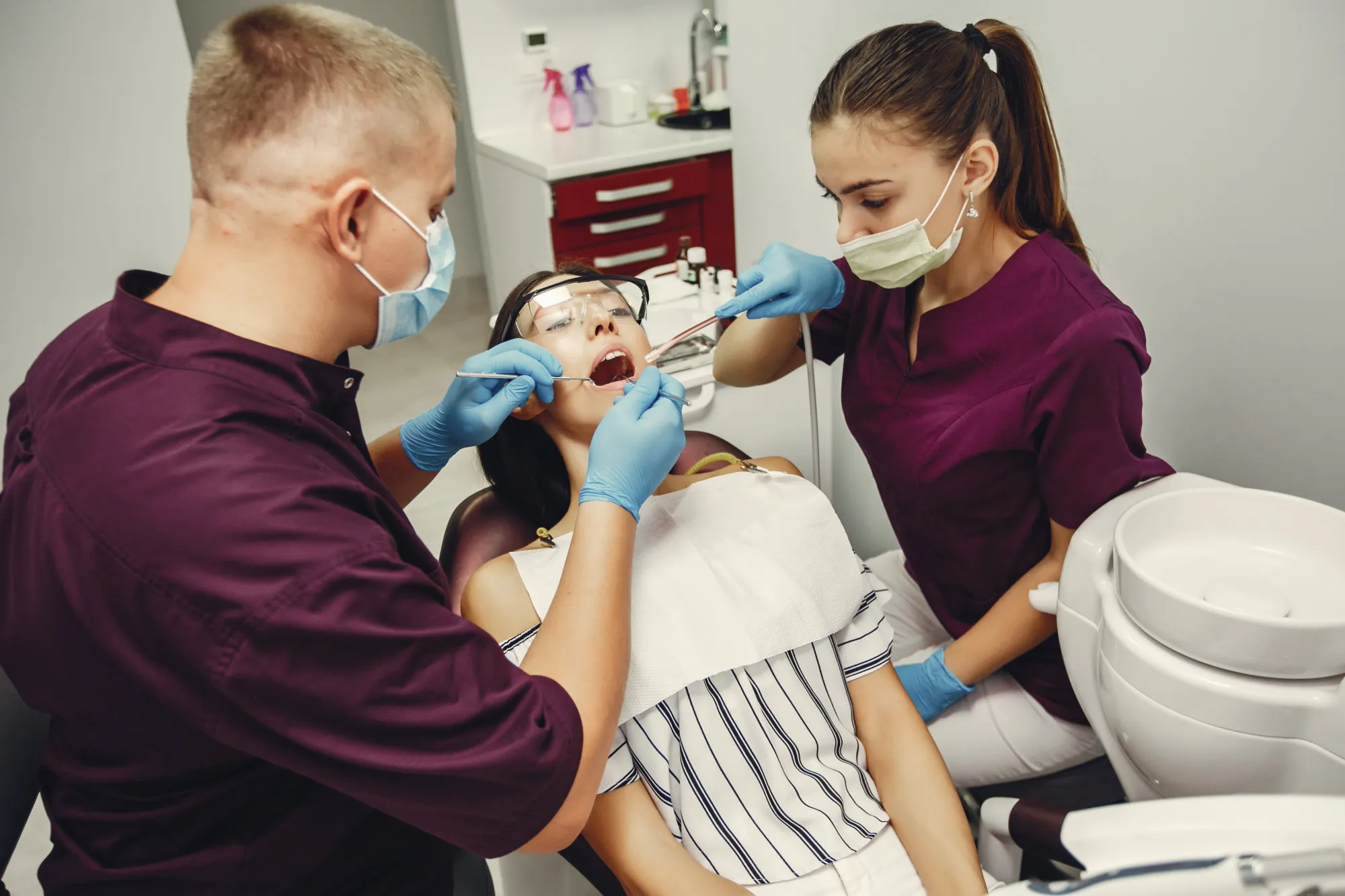
It’s common to feel a sharp pain when sipping hot coffee or eating ice cream. Have you ever asked yourself, “Why are my teeth sensitive to hot and cold?” You’re not alone. Tooth sensitivity can affect day-to-day comfort levels. Also, this impacts oral health. The cause will usually allow relief. If sensitivity lasts for too long, visiting a dentist in Chula Vista can help find solutions.
Why Do Teeth Become Sensitive?
Sensitive teeth develop because the enamel and gum cover protecting the tooth gets worn down. When dentin is exposed, it reacts to temperatures, sweetness, and certain acids. It contains tiny tubes filled with nerve tissue. When this sensitivity affects their day-to-day life, patients often look into general dentistry near you.
Here are the most common causes of tooth sensitivity.
- Enamel Erosion.
Acidic food and drinks, soda, and toothbrushing aggressively can wear the enamel down, leading to exposure of the dentin, causing sensitivity issues.
- Gum Recession.
When gums recede, the root of your tooth, which has no enamel, will be exposed. This makes them extremely sensitive.
- Cracked or Chipped Teeth.
When a tooth has a crack, the stimuli reach the center of your tooth where the nerves are found. This is the reason you feel sharp pain.
- Grinding Teeth.
If you clench or grind your teeth, this will cause enamel to be worn down and sensitivity to increase.
- Dental Procedures.
You may become sensitive after whitening treatments or recent restorations.
- Tooth Decay.
When you have holes in your teeth, they hurt.
Fast Relief for Tooth Sensitivity.
If you are wondering how to get rid of tooth sensitivity fast, don’t worry, there are very effective solutions. Depending on the underlying cause, long-term care may be needed, but immediate relief is possible by
- Using desensitizing toothpaste.
- Avoiding highly acidic foods and drinks.
- Switch to a soft-bristle toothbrush.
- Practicing gentle brushing techniques.
- Rinse with fluoride mouthwash.
More serious underlying causes may require dental treatment, depending on the severity of the case.
Professional Treatments for Lasting Results.
If home treatments do not relieve symptoms, a dentist could provide better solutions. Treatment plans may include.
- Fluoride applications to strengthen enamel.
- Dental bonding to cover exposed root surfaces.
- Gum treatment or gum grafting for recession issues.
- Custom nightguards for patients who grind teeth.
- Dental fillings or crowns for cavities or cracks.
Getting general dentistry in Chula Vista treatment from professionals you trust means you will get personalized treatment.
When to Visit a Dentist.
If your tooth sensitivity lasts longer than a week or affects your eating and drinking, then visit a dental clinic near you. Chronic pain can be a sign of decay, infection, or damage.
Conclusion: Restore Your Comfort and Confidence.
Having sensitive teeth may not seem like a big deal at first, but it can seriously affect your everyday life if left untreated. With enamel eroding or your gums receding, getting guided by a professional makes a lot of difference. At Sam J. Halabo, DMD, our expert suppliers can offer personalized treatments that overcome sensitivity so you can enjoy a healthier, more comfortable smile. If you need a reliable general dentist near you, our dentist in Chula Vista is here to assist you book an appointment with us today.
Visit us for fast, personalized sensitivity relief—click here for directions.
FAQs.
- What are the main causes of tooth sensitivity?
Tooth sensitivity is mostly caused by erosion of the enamel, gum recession, tooth decay, grinding teeth, and cracks in the tooth.
- Can tooth sensitivity go away on its own?
Sensitivity that is mild can get better with care, but if you get sensitivity that is chronic or seems to worsen, you must consult a professional.
- What treatments help reduce sensitive teeth?
Depending on the cause, sensitivity can be reduced with treatments like fluoride, bonding agents, desensitizing toothpaste, nightguards, and gum treatments.
- When should I see a dentist for tooth sensitivity?
See a dentist if your sensitivity lasts longer than a week, is very painful, or makes it hard to eat or drink.